
What does “fat-burning zone” mean?
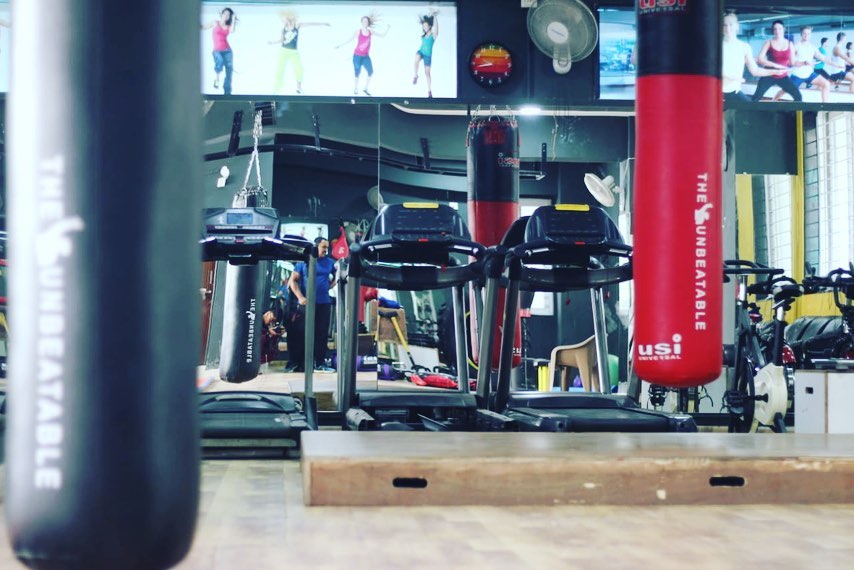
Imagine two friends on neighbouring treadmills. One chooses the green “fat-burning” setting; the other wonders whether a harder session would be better. The label alone cannot settle that decision or predict their results. It needs a purpose within each person’s training plan.
In exercise research, Fatmax means the intensity at which fat oxidation—the rate of using fat as fuel during exercise—is greatest. Researchers assess this with exercise testing. A preset on a machine should not be treated as your measured Fatmax.
The research cited here concerns adults with overweight or obesity and measures fat oxidation during exercise. That outcome is different from how much body fat someone loses over the following months. It does not establish one ideal setting for every gym visitor.
Evidence: [1]
Describe the effort, not just the speed
The CDC distinguishes relative intensity: how demanding an activity is for the person doing it. The same task can feel moderate to a fitter person and vigorous to someone else.
For our imagined friends, matching treadmill settings would not necessarily match effort. Each can describe their breathing and ability to talk, then discuss that with their trainer. The talk test below is a rough guide to aerobic effort; it does not measure Fatmax or identify a personal heart-rate zone.
Evidence: [2]
Use conversation as an effort cue
Moderate aerobic effort
You can talk, but singing would be difficult.
Vigorous aerobic effort
You can manage only a few words before pausing for breath.
Evidence: [2]
Put the session inside a bigger picture
For weight management, NIDDK emphasises a healthy eating pattern that can be maintained and regular physical activity. Its general guidance for healthy adults includes aerobic activity and muscle-strengthening work. A cardio setting covers only one part of that picture.
Before your session, ask what it is for: building aerobic fitness, practising a manageable pace or following a particular training plan. Then ask where strength sessions and recovery fit during the week. Choosing the setting becomes easier when you understand the job it is meant to do.
This is also why a workout should not come with a promised number of kilos lost. Review the routine and your individual progress rather than treating a machine’s label as an outcome guarantee.
Evidence: [3]
Bring a useful note to your next review
Return to those two treadmills. The friends do not need to settle which display is “better”. Each can keep a short note about the activity, the agreed setting and how the effort felt. That gives their trainer something concrete to discuss next time.
An illustrative note might read: “Treadmill walk at the setting we agreed; conversation was possible; I want to understand how this fits my strength sessions.” This is a conversation aid, not a prescribed workout or a test result. Keep the note about your own effort instead of trying to copy the person beside you.
At IMFIT, training progress is logged each training day. Every 15 days, the team reviews progress using IMFIT’s own repeatable benchmark workouts. Bring questions about your cardio alongside your other training records.
A short note for your trainer
Activity and setting
What did you do, and which setting or duration had you agreed?
Your effort
How did breathing and conversation feel during the activity?
Your next question
What is this session’s purpose, and where does it fit in your week?
Choose your starting point with support
If you are unsure whether exercise is suitable for you, have a health condition, an injury or symptoms, seek advice from a qualified healthcare professional before starting. Stop exercising if you experience pain or feel unwell. A talk test does not replace that advice.
For someone exploring fat-loss training in Madhapur, IMFIT’s functional program starts at ₹4,000/month, including taxes. You train individually with trainer guidance on movement, strength and conditioning. Equipment access covers both floors. Ask the team how cardio would fit your starting level and the rest of your program; individual results vary.
Evidence: [4]
Questions people ask
Is a harder cardio session always better for fat loss?
This article cannot rank two sessions for your individual fat-loss result. First understand each session’s purpose and suitability, then review your wider routine. Ask for a plan you can follow rather than choosing purely by the zone label.
Does the talk test tell me my heart-rate zone?
No. It is a practical description of aerobic effort. It does not calibrate your watch or establish your personal Fatmax.
Build your next step
Sources and further reading
- Yin et al., 2023: exercise training and maximal fat oxidation in adults with overweight or obesity
- CDC: How to Measure Physical Activity Intensity
- NIDDK: Eating & Physical Activity to Lose or Maintain Weight
- NHS: How to warm up before exercising — advice before starting
Sources checked 2026-10-11.
This article is for general information and does not replace professional medical advice. Consult a qualified healthcare professional for guidance suited to your needs.
Give your cardio a clear purpose.
Visit IMFIT Madhapur and discuss your starting level, fat-loss goals and how strength and cardio can fit your week.
Discuss my training