The biological shift after 40: sarcopenia and bone loss
Beginning around age 30, adults lose approximately 3% to 5% of their skeletal muscle mass per decade in a process known as sarcopenia. For women entering perimenopause and menopause, declining estrogen levels accelerate both muscle atrophy and bone mineral loss, increasing the risk of osteopenia, joint vulnerability and metabolic slowdown. Walking and yoga provide valuable cardiovascular and mental benefits, but they do not deliver the mechanical load required to signal osteoblasts to rebuild bone.
Wolffs Law: why bones need progressive resistance
According to Wolffs Law of bone remodeling, bone tissue adapts to the mechanical stress placed upon it. When you perform resistance exercises (such as dumbbell goblet squats, leg presses, Romanian deadlifts and chest presses), the pulling force exerted by tendons on bone stimulates increased mineral deposition. Meta-analyses in sports medicine demonstrate that 2 to 3 days of progressive strength training per week significantly improves bone mineral density in the lumbar spine and femoral neck in women over 40.
Overcoming gym intimidation: starting with machine guidance
Many women in Hyderabad avoid commercial gyms because free-weight areas can feel overwhelming and male-dominated. However, starting strength training does not require balancing a heavy barbell on your spine on Day 1. Selectorized pin machines (such as the chest press, seated row, leg extension and lat pulldown) provide fixed, guided movement paths that eliminate balance concerns and protect vulnerable joints while you build baseline tendon strength.
Joint health, protein intake and recovery
Training after 40 requires smarter recovery, not punishment. Ensure at least 48 hours between workouts targeting the same muscle group. Pair your training with 1.2 to 1.5 grams of protein per kilogram of body weight to support muscle protein synthesis, and prioritize 7 to 8 hours of sleep. Warm up thoroughly with 5 minutes of dynamic joint mobility (hip openers, cat-cow and arm circles) before loading any exercise.
Sources: National Institute on Aging: Sarcopenia and Strength Training
A welcoming coaching space at IMFIT Madhapur
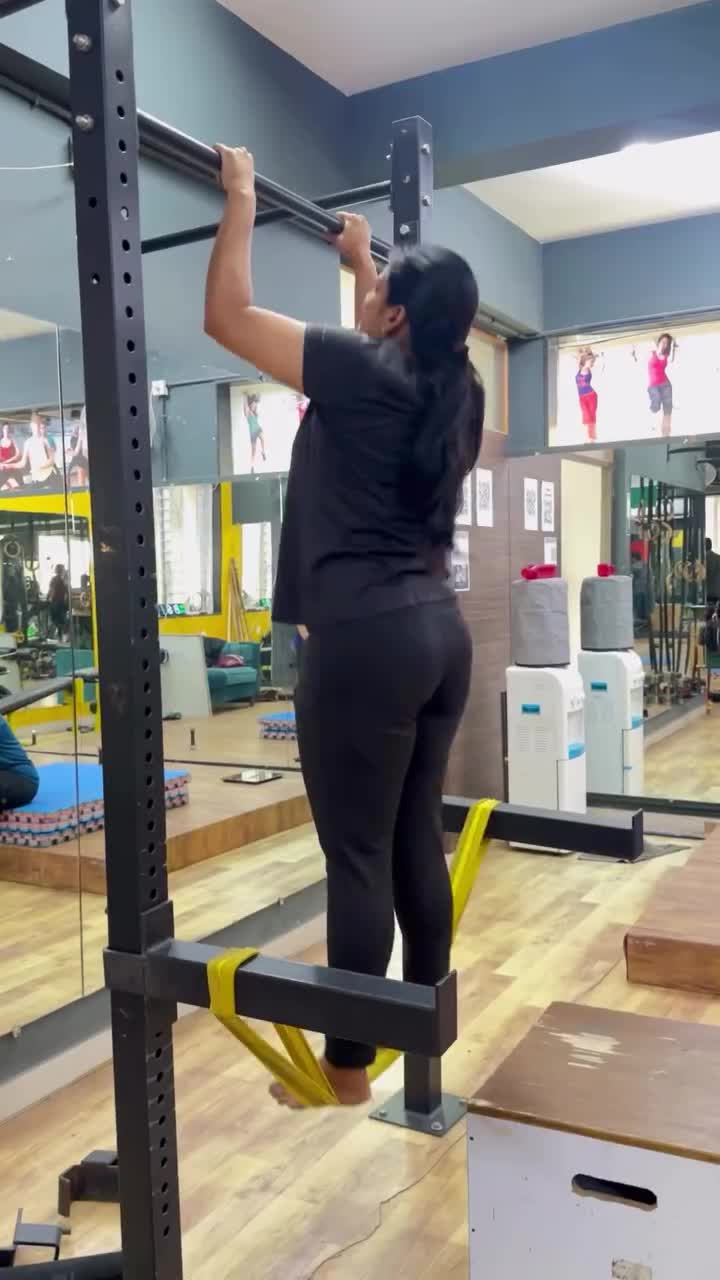
At IMFIT on Hitech City Main Road, our 2nd and 3rd floors provide quiet, spacious environments where women of all fitness levels train with dignity. Our trainers work under a strict 1:6 coaching ceiling, ensuring your form is monitored on every repetition. Walk in today to discuss a gentle, joint-friendly starting plan that fits your life.
Questions people ask
Is it safe to start lifting weights after 40 if I have never exercised before?
Yes. It is both completely safe and clinically recommended. Beginner strength training begins with bodyweight movements and guided machines with light resistance, focusing on range of motion and joint stability before adding load.
Sources: ACSM: Exercise and Bone Health Position Stand
Will strength training hurt my knees or lower back?
When performed with proper technique, strength training actually strengthens the connective tissues, hamstrings and glutes that stabilize the knees and spine, reducing chronic joint pain. IMFIT coaches ensure your technique is safe on every set.
How many days per week should women over 40 lift weights?
Two to three 45-minute sessions per week on non-consecutive days (such as Monday, Wednesday, Friday) provide the ideal stimulus for muscle preservation and bone density while allowing full joint recovery.
Build your next step
Sources and further reading
- ACSM: Exercise and Bone Health Position Stand
- National Institute on Aging: Sarcopenia and Strength Training
Sources checked 2026-10-23.
This article is for general information and does not replace professional medical advice. Consult a qualified healthcare professional for guidance suited to your needs.
Find your starting point.
Visit IMFIT in Madhapur and talk through your training options.
Plan your first visit